 admin September 20, 2025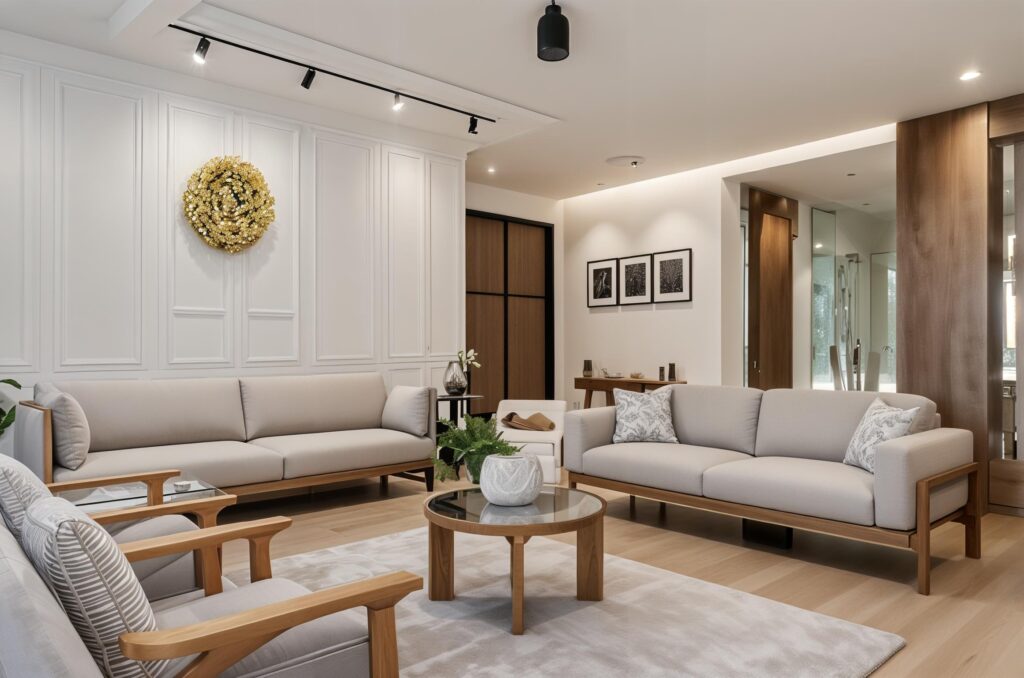
The Expert’s Guide to Layering: How Textures and Textiles Define a Professional Space
There’s a reason certain rooms feel immediately sophisticated and professionally designed. It’s not just the placement of furniture or the choice of a color scheme; it’s the masterful application of texture and textiles. In the world of interior design, understanding the hand-feel, drape, and visual weight of materials is what separates a good design from an exceptional one.
This blog post will take you beyond the basics and into the technical principles of layering, allowing you to design a space with the depth and proportionality of a professional.
Understanding the Technical Language of Layering
Before we dive into the application, let’s understand the tools of the trade.
- Hand-Feel: This is the most intuitive aspect of a textile. It’s the tactile sensation you get when you touch a material. A rough burlap has a different hand-feel than a smooth satin. As a designer, you manipulate hand-feel to create moments of comfort and contrast.
- Drape: This term refers to how a fabric hangs or falls. A light linen has a soft, graceful drape, making it perfect for breezy curtains. In contrast, a heavy corduroy has a stiff drape, which is ideal for structured upholstery that holds its form.
- Visual Weight: This is the perceived heaviness of a material. It’s not about the actual weight, but about how it looks to the eye. A chunky knit blanket has high visual weight and can ground a space, while a sheer, light rayon curtain has low visual weight and can make a room feel airy.
- Bouclé: A particularly popular textile right now, bouclé is a looped, knotty fabric. Its distinct texture adds immediate warmth and architectural interest to furniture pieces, without the need for additional pattern.
- Jacquard: While many patterns are printed, a jacquard fabric has its intricate pattern woven directly into the material. This creates a more durable and dimensional design, adding a layer of subtle complexity.
- Monochromatic: This is a powerful design technique that relies entirely on texture. In a monochromatic palette (using different shades of a single color), the only way to create visual interest is by contrasting textures—for example, a polished concrete floor with a plush wool rug.
The Three-Layer Professional Method
Professionals build rooms in intentional layers. Here’s how you can replicate that process.
- The Foundational Layer (Hard Textures): This is the structure. Think of your wood flooring, plaster walls, or exposed brick. These hard surfaces provide the architectural envelope. When selecting your large furniture pieces, like a leather sofa or wooden sideboard, consider their inherent texture as the starting point for your layered design.
- The Middle Layer (High-Impact Textiles): This is where you introduce comfort and primary stylistic elements. A well-selected area rug is a must. The rug’s visual weight should be in proportion to the size of the room and furniture. A plush, high-pile shag rug can instantly make a living room feel cozier, while a flat-weave jute rug adds an organic, grounded feel. This layer is also where you would select the main upholstery fabric for your sofas and chairs, such as durable cotton or a luxurious velvet.
- The Top Layer (Decorative and Functional Textiles): This is your final flourish. Introduce throw pillows and blankets in a variety of hand-feels and drapes. Pair a smooth satin pillow with a rough linen cushion to create dynamic contrast. A chunky knit throw can add significant visual weight to a sofa, making it feel more inviting. For window treatments, consider the drape of the fabric; a heavy velvet curtain will create a different mood than a flowing rayon or cotton sheer.
The Professional’s Checklist for Layering
- Embrace Contrast: Pair different materials to create a compelling visual story. A polished marble side table juxtaposed with a bouclé accent chair is a textbook example of professional-level layering.
- Use Monochromatic Color with Textural Variety: If you love a minimalist look, texture is your best friend. A cream-colored room can be stunning with a mix of a cream-colored bouclé sofa, a cream wool rug, and linen cushions.
- Mind the Scale: Ensure that your patterns and textures are in proportion with the size of the room and the furniture. A large-scale pattern on a jacquard fabric might overwhelm a small chair, but it would be perfect on a large accent wall.
- Don’t Forget the Walls: Go beyond paint. A textured wallpaper or wood paneling can be a powerful foundational layer that immediately adds depth and sophistication to any space.
By applying these technical principles, you’re not just decorating—you’re designing. You’re building a multi-dimensional space that feels rich, thoughtfully curated, and perfectly tailored.
Ready to Design Your Dream Space?
Mastering the art of layering can be a rewarding experience. But if you’re looking for professional guidance to bring your vision to life, Maparc architect & Interior is here to help. Our team specializes in creating spaces that are not only beautiful but also rich in character and tailored to your unique lifestyle.
Contact Maparc today for a consultation and let us transform your home into a masterpiece of design.