 admin May 24, 2025
Complete Guide to Choosing Fabrics for Interior Design
By Maparc Associates – Interior Design Experts in Goregaon West, Mumbai
Fabrics play a major role in defining the look, feel, comfort, and function of a space. Whether it’s the upholstery on your sofa, the curtains that frame your windows, or the cushions and bedding that add warmth and character, fabric choices matter.
At Maparc Associates, we believe that well-chosen fabrics bring together the aesthetics and functionality of a home. Here’s our comprehensive guide to help you make the best choices when selecting fabrics for your interiors.
Understanding the Role of Fabric in Interior Design
Fabrics are not just decorative. They influence:
- The mood of a room (light, dark, warm, cool)
- The comfort and usability of furniture
- Maintenance needs and durability
- Overall functionality of the space (noise absorption, light filtering, etc.)
Whether you’re redecorating or starting from scratch, fabric selection should be a thoughtful and strategic part of your interior design process.
Key Factors to Consider When Choosing Fabrics
1. Durability
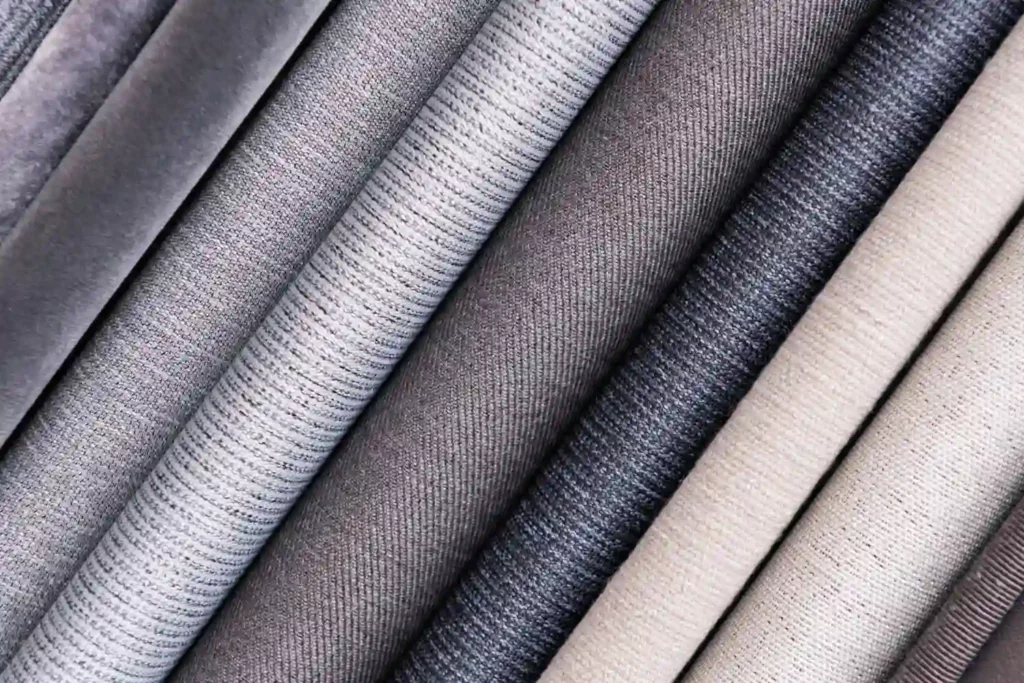
Durability is one of the most important factors, especially in homes with children, pets, or frequent guests. Durable fabrics are essential for:
- Upholstery in living areas
- Dining chairs
- Hallway benches or ottomans
Highly durable fabric examples:
- Microfiber
- Leather
- Polyester blends
- Nylon
Test fabrics by checking their Martindale rub test rating (a measure of abrasion resistance). Higher numbers mean greater durability.
2. Stain Resistance and Ease of Cleaning

Spills and stains are part of everyday life, especially in active households. Fabrics with stain-resistant properties or easy cleaning methods are ideal for:
- Family rooms
- Dining areas
- Kid’s bedrooms
- Pet-friendly spaces
Tips:
- Look for fabrics labeled “performance fabrics”
- Use removable slipcovers for easier washing
- Consider professional fabric protection treatments
3. Texture
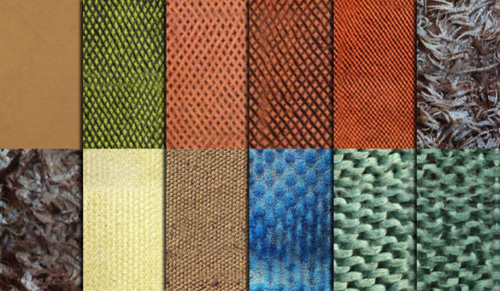
Texture adds depth, variety, and personality to your interiors. It influences how a space feels—soft and cozy or sleek and modern.
Common textures:
- Smooth & shiny: Silk, satin – luxurious, formal
- Soft & plush: Velvet, chenille – cozy, elegant
- Rough & natural: Linen, burlap – rustic, casual
Pro Tip: Mix textures in a room to add interest and avoid a flat appearance.
4. Color Selection
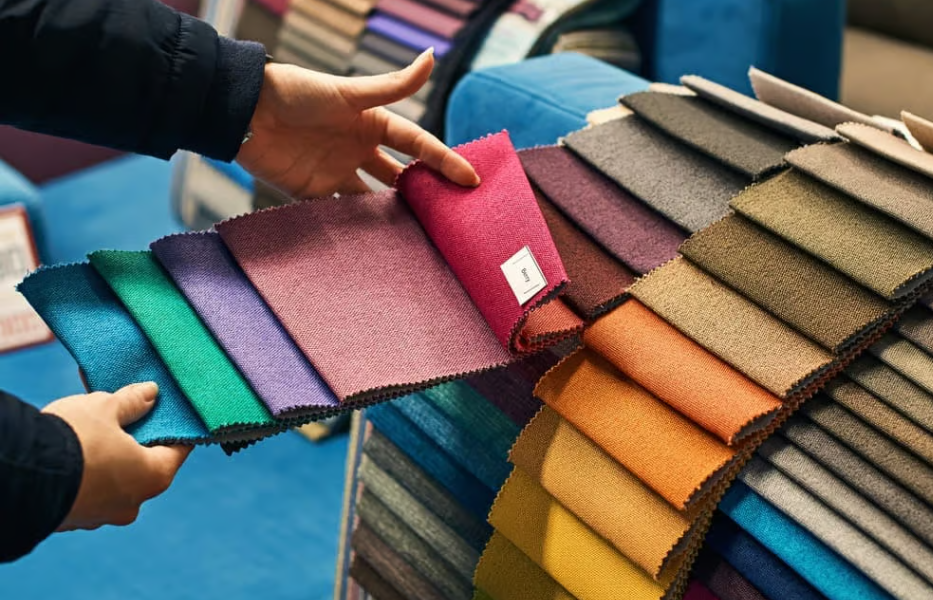
Color has a powerful effect on the room’s vibe. Choose based on:
- Room size: Light colors make a space feel bigger
- Mood: Warm tones for coziness, cool tones for calmness
- Existing décor: Match or contrast with furniture and wall colors
- Maintenance: Dark colors hide stains, light colors show them more easily
Always test samples in your actual room, under different lighting conditions (day and night).
5. Complement or Contrast
Fabrics should either:
- Blend harmoniously with the room’s theme (tone-on-tone)
- Or create contrast to make key elements stand out (e.g., a bold-colored cushion on a neutral sofa)
Use a color palette as your base and build around it using complementary or contrasting tones and textures.
6. Longevity and Wear
Think long-term. Some fabrics look great when new but age poorly. Choose materials that:
- Retain their shape
- Resist fading in sunlight
- Don’t sag or wrinkle easily
Look for fade-resistant and wrinkle-free materials in sunny rooms or where windows allow in a lot of light.
7. Sustainability
Sustainable fabric options are becoming increasingly popular. Choose them if you want an eco-friendly home that also promotes health and well-being.
Eco-friendly fabric choices:
- Organic cotton
- Linen
- Bamboo fabric
- Recycled polyester
- Hemp
Look for fabrics that are non-toxic, biodegradable, or made from recycled materials.
8. Functionality and Purpose
Different fabrics serve different functions. Consider where and how the fabric will be used:
- Upholstery: Needs durability and stain resistance
- Curtains: Should offer light control, insulation, or privacy
- Cushions and throws: Can be decorative or functional
- Bedding: Must be breathable and comfortable
- Table linens: Should be washable and spill-resistant
Types of Fabrics – With Examples and Use Cases
Natural Fabrics
These are made from plants or animals and offer a soft, breathable, and eco-friendly feel.
- Cotton: Breathable and soft; ideal for bedding, casual curtains, and everyday upholstery.
- Linen: Elegant and airy; best for curtains, pillow covers, and tablecloths.
- Silk: Luxurious and glossy; perfect for accent pillows and formal drapes.
- Wool: Warm and strong; great for carpets, winter bedding, and cozy throws.
Synthetic Fabrics
Made from man-made fibers, they are known for durability, stain resistance, and affordability.
- Polyester: Resists wrinkles and stains; commonly used in upholstery and drapes.
- Nylon: Tough and resistant to abrasion; often used in high-traffic furniture.
- Microfiber: Extremely soft and durable; excellent for sofas in family spaces.
- Acrylic: Mimics wool and resists fading; used in upholstery and blankets.
Blended Fabrics
These combine natural and synthetic fibers to offer the best of both worlds—comfort and practicality.
Examples:
- Cotton-Polyester: Soft, easy to wash, and wrinkle-resistant
- Wool-Nylon: Warm and durable
- Linen-Viscose: Elegant with better drape and reduced wrinkles
Special Considerations for Goregaon West, Mumbai
Mumbai’s climate is warm and humid, which means fabric selection should focus on:
- Breathability to reduce sweat and heat buildup
- Mold/mildew resistance for moist conditions
- UV resistance due to strong sunlight
- Low maintenance, especially for busy households
Recommended fabrics:
- Cotton and linen for breathability
- Microfiber and polyester blends for ease of cleaning
- Blended fabrics for a balance of comfort and durability
For homes with children or pets, opt for performance fabrics, removable covers, and darker tones to extend fabric life.
Expert Tips for Fabric Selection
- Order swatches/samples and test them under different lighting conditions in your home.
- Think about seasonal use—lighter fabrics for summer, heavier ones for winter.
- Layer different fabrics (curtains, throws, cushions) for added depth.
- Choose machine-washable fabrics for everyday spaces.
- Don’t compromise on quality—cheap fabrics may cost more in the long run.
Why Work With Maparc Associates?
At Maparc Associates, we understand the challenges of fabric selection, especially in a vibrant and climate-sensitive city like Mumbai. Our team offers:
- Customized fabric recommendations
- Sample matching services
- Sourcing of high-quality, sustainable fabrics
- Complete interior design planning and execution
We help you strike the perfect balance between style, comfort, maintenance, and cost.
Choosing the right fabric is not just about how it looks, it’s about how it feels, functions, and lasts. From soft linens to durable polyesters, every fabric brings a unique character to your space.
Whether you’re refreshing a single room or designing an entire home, Maparc Associates is here to guide you every step of the way. Let us help you build interiors that are not only beautiful but also practical and long lasting.
Connect with us today to explore fabrics that suit your lifestyle, aesthetic, and Mumbai’s dynamic climate.