 admin June 25, 2024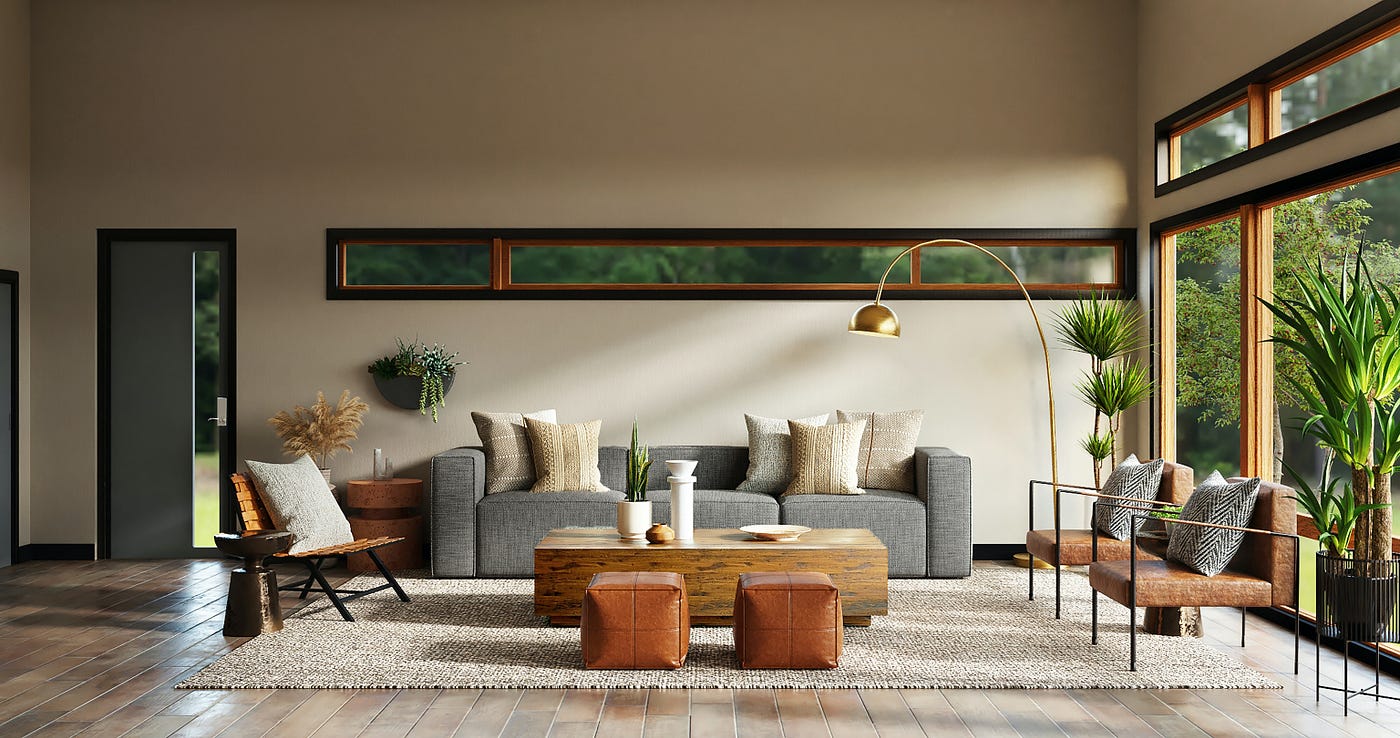
In the world of design, architecture and interior design are often seen as distinct fields. But the most successful, livable, and inspiring spaces are the result of a seamless collaboration between architects and interior designers. At Maparc Associates, we specialize in projects where architecture and interior design come together to create spaces that are not only beautiful but also practical, sustainable, and meaningful.
Laying the Groundwork: Interior Design Begins with Architecture
The architectural structure of a space provides the foundation for interior design decisions. Elements such as room layout, ceiling height, and natural light influence how interiors are planned and experienced. When both teams are aligned from the start, the result is a space that feels intentional and cohesive.
1. Space Planning That Supports Daily Living
Architects create the structural layout of a building, while interior designers refine the plan to create zones for living, working, and relaxing. When done in sync, the space flows naturally, improving comfort and usability.
Examples of mid-tail keywords used: “space planning in architecture and interiors”, “functional interior layout design”, “designing living spaces with flow and function”
2. Designing with Natural Light in Mind
Window placement and skylight positioning, architectural decisions, greatly impact how a space looks and feels. Interior designers build on this by selecting materials and colors that interact well with natural light, creating ambiance and highlighting key design features.
3. Matching Materials Across Architecture and Interiors
Material consistency is essential to a unified design. Whether it’s exposed concrete walls, wooden floors, or metal finishes, a thoughtful selection of architectural and interior materials creates a visually and emotionally connected space.
4. Balancing Scale and Proportion
Ceiling heights, room dimensions, and architectural features dictate how interior elements—like furniture, lighting, and artwork—are chosen. Designers must consider these proportions to avoid overpowering or underwhelming the space.
5. Seamless Indoor-Outdoor Design Integration
Blending indoor and outdoor spaces is a hallmark of modern residential design. With sliding doors, open floor plans, and extended patios, architecture sets the stage for interiors that feel connected to nature.
Interior design reinforces this with:
- Continuous flooring materials
- Color palettes inspired by the outdoors
- Furniture and decor that complements exterior views
6. Honoring the Character of the Building
Every building has its own story. Good interior design respects the architectural style, whether it’s contemporary, heritage, minimalist, or eclectic. This results in an interior that feels authentic and timeless.
7. Using Technology to Bridge Architecture and Interiors
Today, tools like 3D design software and virtual walkthroughs allow architects and interior designers to plan spaces together in real-time. Smart home systems and tech features like hidden lighting or integrated appliances must be planned collaboratively to function seamlessly.
8. Sustainable Design as a Shared Priority
Modern clients expect eco-friendly spaces. Sustainable interior design goes hand-in-hand with green architecture, using:
- Natural ventilation
- Low-VOC materials
- Solar-friendly layouts
- Energy-efficient lighting and appliances
Benefits of Integrated Architecture and Interior Design
The best-designed homes, offices, and commercial spaces are the ones where architecture and interior design work together seamlessly. At Maparc Associates, we take an integrated approach that combines form and function, beauty and usability. Whether you’re building a home from scratch, renovating an existing space, or seeking turnkey interior solutions in Mumbai, our team ensures every detail is considered from start to finish.
